Source summer woven plain baby suit for newborns, toddlers, and infants
Compare 30 summer woven plain baby suit options from verified suppliers in China. Buyers can review cotton materials, sleeve styles, and seasonal suitability for newborns, toddlers, and infants.
Key considerations
Products List
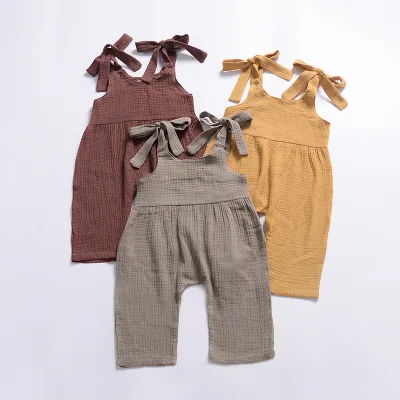
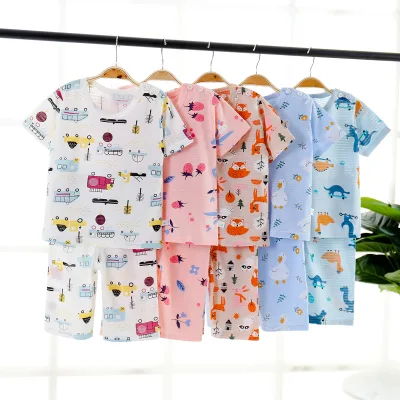


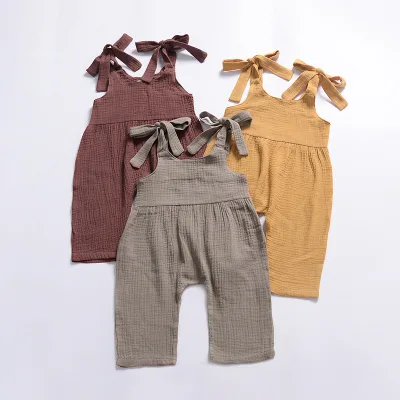
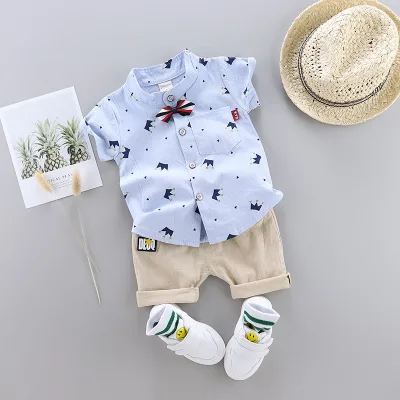


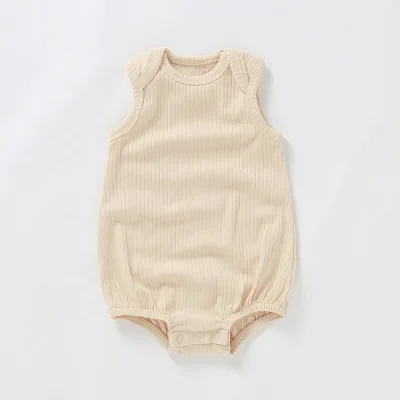
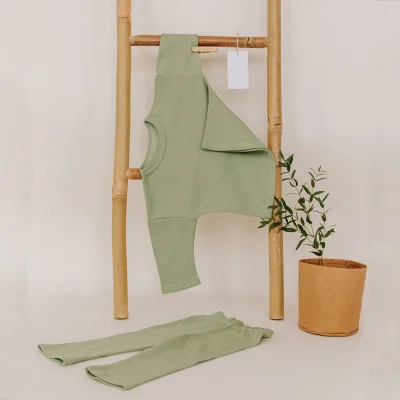
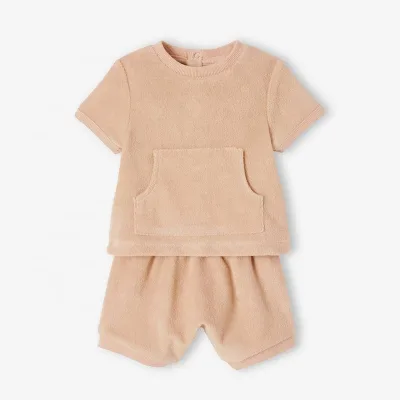
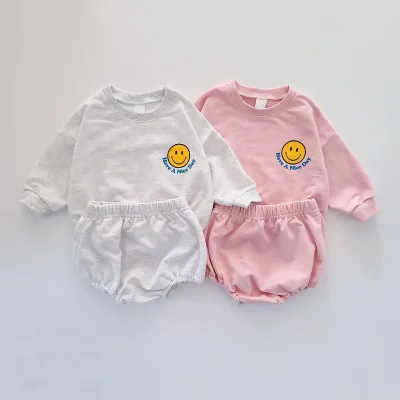
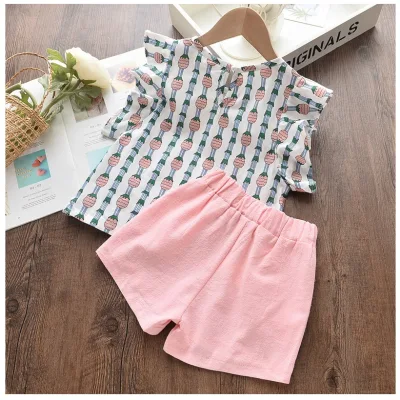
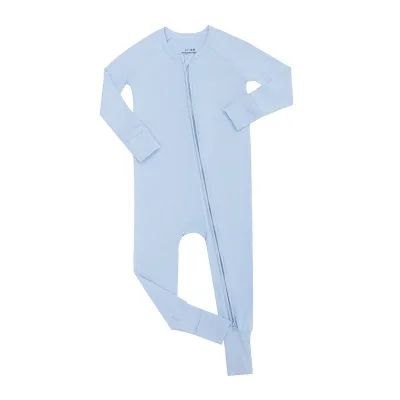
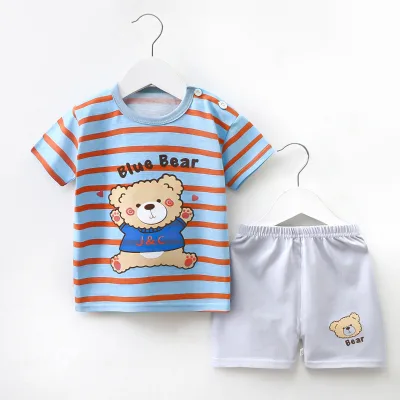


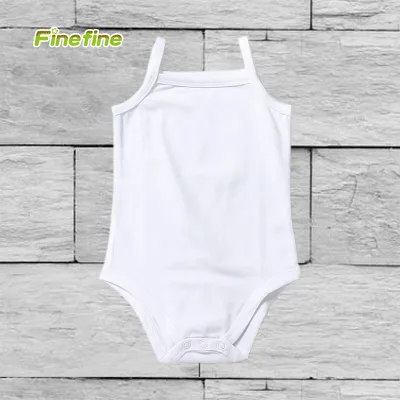



Comprehensive Sourcing Guide
Strategic Sourcing Guide for Summer Woven Plain Baby Suits
The global market for infant apparel requires a nuanced understanding of material properties, seasonal demands, and supply chain logistics. When sourcing a summer woven plain baby suit, buyers must navigate a landscape defined by specific fabric compositions, safety standards, and production capabilities. This guide provides a comprehensive framework for evaluating potential suppliers and products, ensuring that the final procurement aligns with quality expectations and operational requirements. The focus remains on verified attributes and logical procurement strategies rather than unverified market assertions.
Technical Specifications and Material Composition
The foundation of a high-quality baby suit lies in its material composition and construction. For summer wear, breathability and softness are paramount. The supplied data indicates that Cotton is a primary material observed in relevant listings, with specific mentions of 100% Cotton and Cotton Baby Clothing. This aligns with the core requirement for a "woven" suit, as cotton is a natural fiber that can be woven to create durable yet breathable fabrics suitable for warm weather.
When evaluating technical specifications, buyers should look for the following attributes in product data sheets:
- Fabric Type: Look for explicit mentions of "Cotton" or "Worsted" cotton. The presence of "Worsted" suggests a specific spinning process that can enhance durability and smoothness, though "Cotton" remains the most common identifier for summer baby wear.
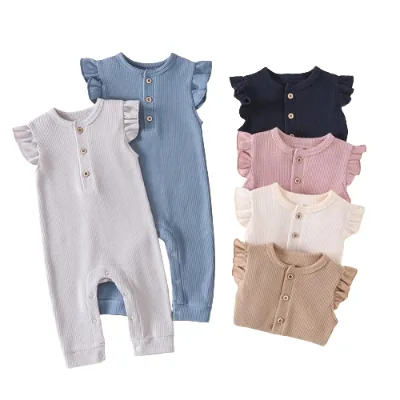
- Sleeve and Style: While the core keyword specifies a "suit," which often implies a two-piece set, the data shows variations including "Rompers" and "Clothes Set." Some listings specify "Long sleeve" while others note "Sleeveless." For a summer suit, a balance is needed; long sleeves may offer sun protection, but sleeveless options provide maximum cooling. The "Plain" aspect of the keyword suggests a focus on solid colors or minimal patterns, though the data notes "Print" and specific patterns like "fox deer" or "dinosaur" are available. Buyers must distinguish between plain woven textures and printed designs.
- Closure Mechanisms: The data highlights "Lace-up" and "With Buttons" as common closure types. For a baby suit, buttons are often preferred for ease of dressing and diaper changes, whereas lace-up styles may offer a more tailored fit.
- Seasonal Alignment: Although the keyword specifies "summer," the observed data includes "Spring Summer Autumn Winter" and "Summer" as distinct categories. A true summer suit should prioritize lightweight woven cotton that allows for air circulation.
| Attribute Category | Observed Data Points | Sourcing Verification Requirement |
|---|---|---|
| Material | Cotton, 100% Cotton, Worsted | Verify fiber content percentage and weave density. |
| Season | Summer, Spring Summer Autumn Winter | Confirm fabric weight (GSM) suitability for high temperatures. |
| Closure | Lace-up, With Buttons | Assess ease of use for caregivers and safety of fasteners. |
| Style | Rompers, Clothes Set, Casual | Ensure the "suit" format matches the two-piece or one-piece requirement. |
| Pattern | Print, Plain (implied by keyword) | Verify if the "plain" requirement excludes the observed print options. |
Compliance and Certification Verification
Safety is the non-negotiable priority when sourcing products for infants. While the supplied data lists "OEKO-TEX" and "GOTS" under low-confidence background sections, these should not be assumed as standard features of every listed product. Instead, buyers must treat these as verification targets.
Buyers should explicitly request proof of compliance for the following areas:
- Chemical Safety: Verify if the cotton fabric has been tested for harmful substances. The "OEKO-TEX" standard is a recognized benchmark for this, but the buyer must confirm the specific certificate number and validity for the specific batch.
- Organic Standards: If the "100% Cotton" claim implies organic origins, the "GOTS" (Global Organic Textile Standard) certification is the relevant verification. However, without explicit confirmation in the product listing, this cannot be assumed.
- Labeling and Branding: The data mentions "Customized Logo" and "Accept OEM / ODM or Our Own Brand." This indicates flexibility in branding but requires strict adherence to labeling laws regarding fiber content, care instructions, and country of origin.
- Origin Verification: The data lists "Guangdong, China" and "Zhejiang, China" as places of origin. Both are major manufacturing hubs. Buyers should verify the specific factory location to ensure it meets their ethical sourcing policies and to understand local labor regulations.
Cost Drivers and Pricing Dynamics
Understanding the cost structure of a summer woven plain baby suit is essential for budgeting and negotiation. The observed price range in the market is between 1 and 20 USD, a wide spectrum that reflects differences in material quality, brand positioning, and order volume.
Several factors drive the final unit cost:
- Material Quality: The distinction between standard cotton and "100% Cotton" or "Worsted" cotton significantly impacts price. Higher-grade cotton with a tighter weave for summer breathability will command a premium.
- Order Volume (MOQ): The Minimum Order Quantity (MOQ) varies widely, with observed ranges from 10pcs to 1000pcs and specific instances of 200PCS. Lower MOQs often result in higher per-unit costs due to the inefficiency of small-batch production. Conversely, larger orders leverage economies of scale.
- Customization: Options such as "Customized Logo," "Customized Size," and "Customized Carton" add to the production complexity and cost. A plain suit with standard sizing and packaging will be the most cost-effective option.
- Supply Type: The data distinguishes between "In-Stock Items" and "ODM, Oem Service." In-stock items may offer immediate availability but less customization, potentially affecting the price point. ODM services involve design and development costs which are amortized over the order volume.
Buyers should calculate the total landed cost, including shipping, which varies based on the "Type of Transportation" (Express, Air, Sea). The data notes "by Express Based on Door to Door, by Air, by Sea," indicating that logistics costs can fluctuate significantly depending on the urgency and volume of the shipment.
Typical Applications and Market Segmentation
The "summer woven plain baby suit" serves multiple market segments, each with distinct requirements. The observed data suggests a broad application range:
- Age Groups: The data specifies age ranges from 0-6m up to 140cm (approx. 10-12 years). However, the "baby suit" keyword specifically targets the infant and toddler demographic (0-24 months). The "Suit" format is particularly relevant for the 0-6m and 6-12m ranges where layering is common.
- Gender Neutrality: The product is listed as "Unisex," making it highly versatile for general retail and gift markets. This broad appeal reduces the risk of unsold inventory compared to gender-specific designs.
- Usage Context: The "Casual" style and "Breathable" features indicate suitability for everyday wear, play, and travel. The "Plain" design allows for easy coordination with other wardrobe items, making it a staple item for parents.
- Seasonal Adaptability: While the keyword is "summer," the data shows products suitable for "Spring Summer Autumn Winter." This suggests that the woven cotton fabric may be of a medium weight, offering versatility across mild seasons. Buyers should clarify if the specific "summer" variant is a lighter weave than the "all-season" version.
Supplier Evaluation and Capability Assessment
Selecting the right supplier is critical for maintaining supply chain stability. The data provides several key metrics for evaluating supplier capabilities:
- Supply Ability: Suppliers claim capacities ranging from 100,000 pieces per Month to 500,000 pieces per Month. This indicates a robust manufacturing base capable of handling large-scale orders. Buyers should verify if these figures represent peak capacity or average output.
- Lead Times: The data mentions a "7 days sample order lead time." This is a strong indicator of a responsive supplier. For bulk production, buyers must request specific lead times, as they are not explicitly detailed in the general data.
- Packaging Details: The observed packaging includes "1pc/opp bag and 5pcs into a bigger bag" or "customized carton." This flexibility is crucial for retailers who may have specific retail packaging requirements.
- Port of Dispatch: The "fob Ningbo" mention highlights a specific logistics hub. Buyers should confirm if the supplier operates from Ningbo or if this is a general statement for the region, as Ningbo is a major port in Zhejiang, one of the listed places of origin.
| Evaluation Metric | Supplier Capability Indicator | Verification Action |
|---|---|---|
| Production Capacity | 100,000 - 500,000 pcs/month | Request recent production logs or factory audit reports. |
| Sample Turnaround | 7 days for samples | Order a physical sample to verify quality and timing. |
| Logistics | FOB Ningbo, Sea/Air/Express | Confirm Incoterms and shipping costs for the specific destination. |
| Customization | Logo, Size, Packaging | Review the scope of customization and associated costs. |
Quality Control and Long-Term Procurement
Ensuring consistent quality requires a proactive approach to quality control (QC). Given the "Great" quality attribute observed in the data, buyers should not rely solely on marketing claims. Instead, implement a rigorous QC protocol:
- Pre-Shipment Inspection: Conduct random sampling based on AQL (Acceptable Quality Limit) standards to check for fabric defects, stitching issues, and color consistency.
- Fit and Sizing: Since "Customized Size" is an option, verify the size charts against actual measurements. The data lists sizes like "90cm, 100cm, 110cm," which correspond to height-based sizing common in Asian markets. Ensure these align with the target market's sizing standards.
- Durability Testing: For a "woven" suit, test the fabric for pilling, shrinkage, and colorfastness, especially after washing. The "100% Cotton" claim should be verified through lab testing to ensure no synthetic blends are present that could reduce breathability.
- Long-Term Partnership: Look for suppliers offering "ODM, Oem Service" and "Customized Logo." This indicates a willingness to collaborate on product development, which is essential for long-term growth. The "Available Quantity" of 500,000 suggests the supplier can scale with demand, but buyers should secure volume discounts and priority production slots through long-term contracts.
Conclusion
Sourcing a summer woven plain baby suit involves a careful balance of material selection, compliance verification, and supplier evaluation. The market offers a wide range of options, from basic cotton rompers to customized two-piece sets, with significant variations in MOQ, price, and lead time. By focusing on verified attributes such as 100% cotton composition, breathable woven structures, and clear supply chain capabilities, buyers can mitigate risks and secure high-quality products. The key to success lies in rigorous due diligence, moving beyond observed data points to request concrete evidence of quality and compliance. This disciplined approach ensures that the final procurement meets the safety and performance standards required for infant apparel.
FAQs
What materials are used for summer woven plain baby suits?
The primary material observed is cotton, including 100% cotton and cotton baby clothing. Some listings specify worsted cotton for enhanced durability. Buyers should verify the exact fiber content to ensure breathability suitable for summer wear.
Can I find summer woven plain baby suits with custom logos?
Yes, customized logos are available for many of these products. Suppliers offer ODM and OEM services allowing for brand customization. This option typically requires meeting specific minimum order quantities to proceed with the branding process.
How long does it take to receive samples for these suits?
Sample orders can be supported with a lead time of seven days. This rapid turnaround allows buyers to verify quality before placing bulk orders. Specific bulk production lead times may vary depending on the supplier and order volume.
Which suppliers offer summer woven plain baby suits from Guangdong?
Suppliers located in Guangdong, China, are available for these products. Some listings also indicate origins in Zhejiang, China. Buyers should confirm the specific factory location to ensure it aligns with their ethical sourcing policies and logistics needs.
What is the minimum order quantity for summer woven plain baby suits?
Minimum order quantities vary, with observed ranges from 10 pieces to 1000 pieces. Specific listings may require 200 pieces as a baseline. Lower MOQs often result in higher per-unit costs due to small-batch production inefficiencies.
Are summer woven plain baby suits suitable for all seasons?
Some products are listed as suitable for spring, summer, autumn, and winter. However, true summer suits prioritize lightweight woven cotton for maximum breathability. Buyers should clarify fabric weight to ensure suitability for high temperatures.
How is the packaging handled for bulk orders of these suits?
Packaging typically includes one piece per OPP bag with five pieces in a larger bag. Customized cartons are also available upon request. This flexibility allows retailers to choose packaging that meets their specific retail or shipping requirements.